
FRESHWATER PEARL EDUCATION
Freshwater Pearl Care Guide
Simple Care Tips to Protect Your Pearls’ Natural Luster and Keep Them Beautiful for Years
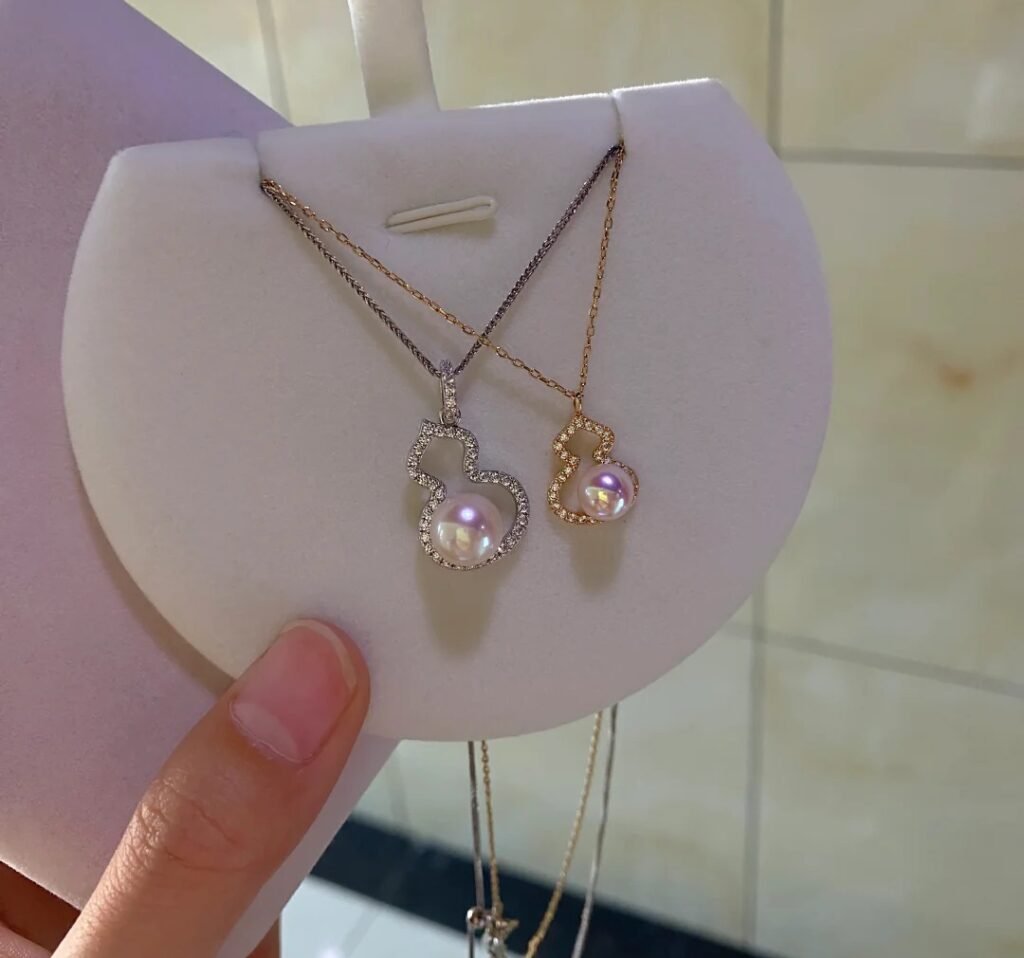
With regular wear, freshwater pearls can last 3–5 years, and with proper care, they can maintain their luster for more than 10 years. Their lifespan depends on several factors, including daily care, environmental conditions, and pearl quality. In this guide, we’ll look at what affects the life of freshwater pearls and share practical tips to help keep them looking beautiful.
What Affects the Lifespan of Freshwater Pearls?
The lifespan of freshwater pearls can be affected by water, sweat, and everyday chemicals. The acidic components in sweat can wear down a pearl’s surface over time. Chlorine in tap water, along with products like body wash, may damage the nacre (the outer layer of the pearl). Regular exposure to cooking fumes, perfume, and cosmetics can also speed up the aging process.
Humidity matters, too. Environments that are too damp or too dry may increase the risk of mold, cracking, or other damage.
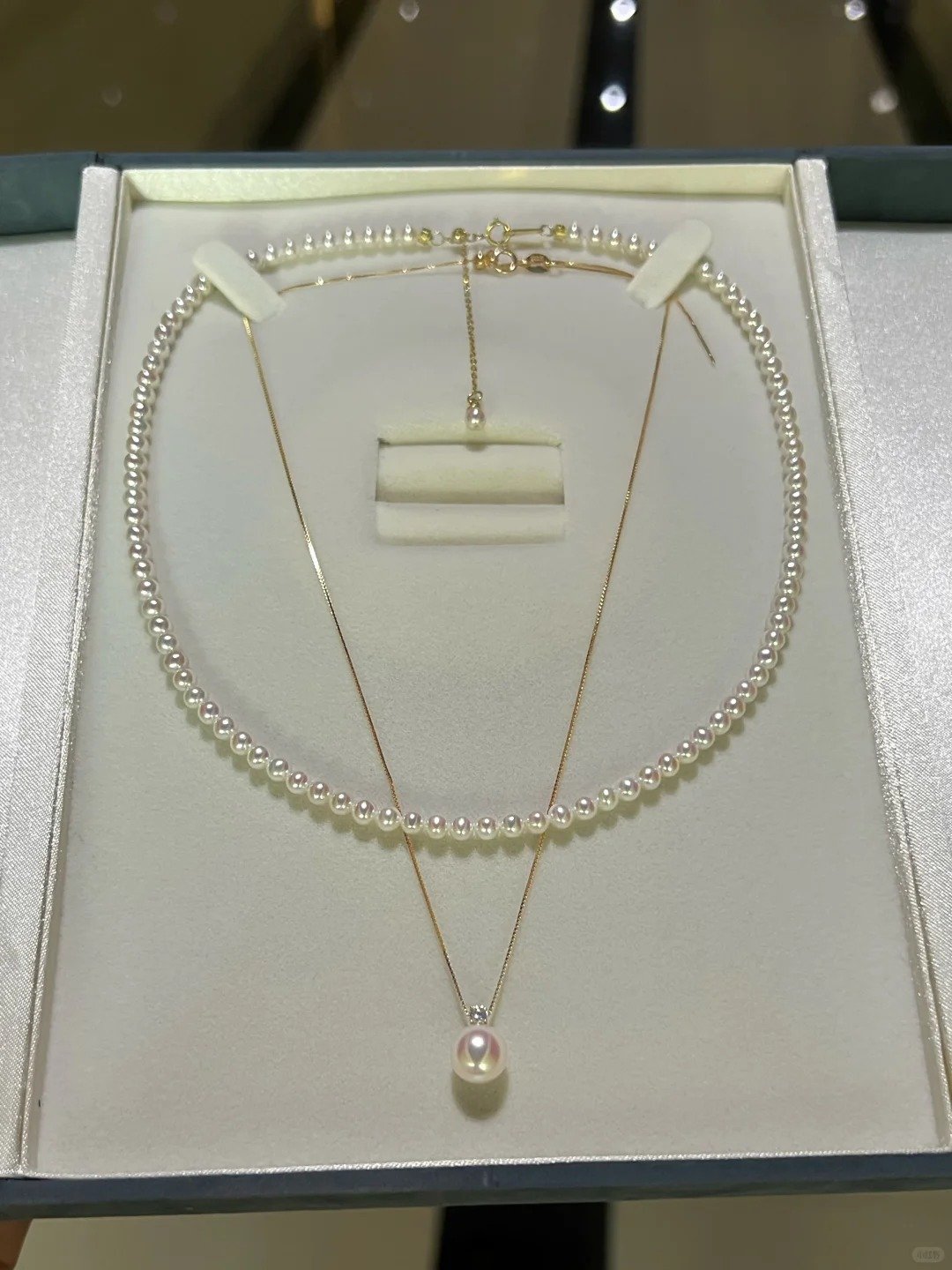
Daily Care Tips for Freshwater Pearls
Freshwater pearls are organic gems made mainly of calcium carbonate. This makes them relatively delicate and easy to damage. The key to caring for them is simple: protect them from scratches, moisture, and harsh chemicals, and give them regular attention. A good rule to remember is to always handle your pearls gently.
Here’s a quick overview of the basic care routines for freshwater pearls. We’ll go into more detail on each one below.
| Care Routine | Recommended Method |
|---|---|
| Cleaning | A soft cloth and mild soap |
| Storage | A cool, shaded place with 50–60% humidity |
| Wearing | Put pearls on last and take them off first |
| Restringing | Once every 1–2 years |
Keep Pearls Away from Everyday Sources of Damage
Avoid makeup, perfume, and hairspray: Apply your makeup and perfume before putting on your pearls. Make pearls the last thing you put on when getting ready. This helps keep chemicals away from their surface. Pearl nacre is porous, so it can absorb odors and be affected by certain chemicals.
Prevent scratches and bumps: Avoid wearing pearls alongside metal jewelry or other hard objects. For example, don’t layer a pearl necklace with a gold chain. When taking off your jewelry, handle it gently and avoid pulling on the chain or string.
Avoid high heat and direct sunlight: Always remove your pearls before showering, soaking in hot springs, or using a sauna. High temperatures can cause pearls to lose moisture, dry out, and crack.
Don’t let sweat sit on your pearls: Take off your pearls after exercise or any activity that makes you sweat heavily. Salt and oils in sweat can gradually wear down the nacre if left on the surface.
Proper Storage for Freshwater Pearls
Store them separately: Keep your pearls in a soft fabric pouch or a velvet-lined jewelry box. Storing them separately helps prevent scratches caused by rubbing against other jewelry.
Keep them dry: Wipe your pearls dry before putting them away. Damp conditions can encourage bacterial growth and may contribute to yellowing or damage to the nacre. Store them in a cool, shaded place with a humidity level of 50–60%.
Avoid airtight storage: Don’t keep your pearls sealed in an airtight bag for long periods. Pearls need some airflow, and airtight storage may trap moisture inside.
Cleaning Freshwater Pearls
For everyday cleaning: After wearing your pearls, gently wipe them with a soft, dry cloth, such as an eyeglass cleaning cloth or chamois cloth. This removes surface oils and dust and is one of the most important steps in everyday pearl care.
For deeper cleaning: If your pearls have visible stains, mix lukewarm water with a very small amount of mild soap. Use a soft brush, such as a makeup brush, to gently clean the surface. Rinse away any soap residue and dry the pearls right away with a soft cloth. Never soak them in water. Soaking may cause the pearl core to absorb water and swell, potentially damaging or loosening the nacre.
Avoid harsh cleaning products and tools: Don’t use toothpaste, dish soap, commercial jewelry cleaners, stiff brushes, or polishing cloths. These products and tools may contain harsh ingredients or rough materials that can scratch or damage the nacre.
Long-Term Care for Freshwater Pearls
If you don’t wear them for a long time: If your pearls have been stored for more than a month, gently wipe their surface with a soft cloth lightly coated with a small amount of baby oil or pearl care oil every 3–6 months. Then wipe away any excess oil with a clean, dry cloth. This helps replenish moisture and prevent the pearls from drying out, cracking, or turning yellow.
Check the string regularly: The string used for pearl necklaces and bracelets, especially silk thread, can absorb sweat and weaken over time. Have your pearls restrung every 1–2 years to reduce the risk of the string breaking and your pearls falling off.
PEARL QUALITY
How Pearl Quality Affects Durability
Nacre thickness is one of the key factors affecting pearl durability. High-quality pearls may have nacre that is 0.3 mm thick or more, which can help them better resist wear and surface damage.
Luster matters, too. Pearls with strong luster generally have a more compact nacre structure and tend to last longer. Non-nucleated freshwater pearls may lose some of their luster over time, but they do not develop the same peeling issues associated with a separate bead nucleus.
[Image placeholder: Freshwater pearls without proper care vs. well-maintained freshwater pearls]
When choosing freshwater pearls, look for strong luster and check the pearl’s grading or identification report for information about nacre thickness.
| Quality Factor | Recommended Standard | Why It Matters |
|---|---|---|
| Nacre Thickness | 0.3 mm or more | Helps resist wear and surface damage |
| Luster | Strong luster | Often indicates a more compact nacre structure and better durability |
| Pearl Type | Non-nucleated freshwater pearls | May lose luster over time but do not have a separate bead nucleus that can become exposed |
When shopping for pearls, always check an identification report issued by a reputable gemological laboratory. This can help you confirm important details, including nacre thickness and other quality characteristics.
Luster
The brightness and sharpness of reflections across the pearl’s surface.
Surface
Consider the visibility, position, and effect of natural growth features.
Shape
Round, near-round, drop, button, oval, and baroque create different character.
Size
Weigh scale alongside luster, surface, shape, and proportion.
Color
Body color, overtone, and orient affect how a pearl reads in light.
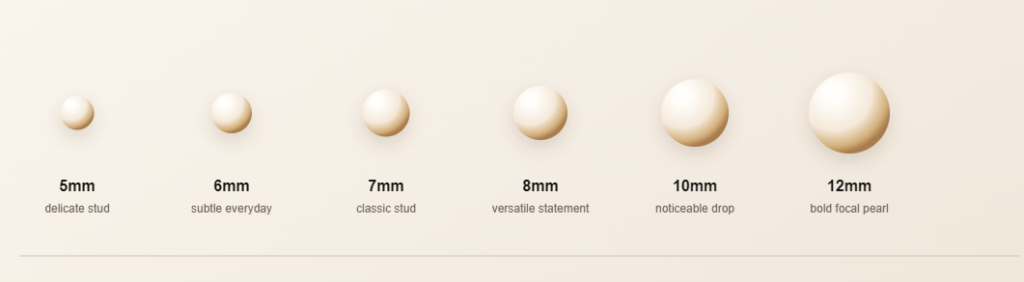
Freshwater Pearl Size Guide
Pearl size is measured in millimeters. Choose according to the scale of the design, your comfort, and how visible you want the jewelry to feel.
Freshwater Pearl Types
Shape is not only a technical distinction. It is a design decision that changes the mood of a piece.
How to Choose the Right Freshwater Pearl
Begin with the role you want the jewelry to play. A small stud for everyday wear, a pearl pendant for gifting, and a statement drop earring may need very different proportions.
Then compare luster, surface, shape, color, size, budget, and jewelry type. If a specification is missing, do not assume it from a photograph.
Explore Freshwater Pearl Jewelry
Once you know what you are looking for, explore pieces designed around the natural variety of freshwater pearls.
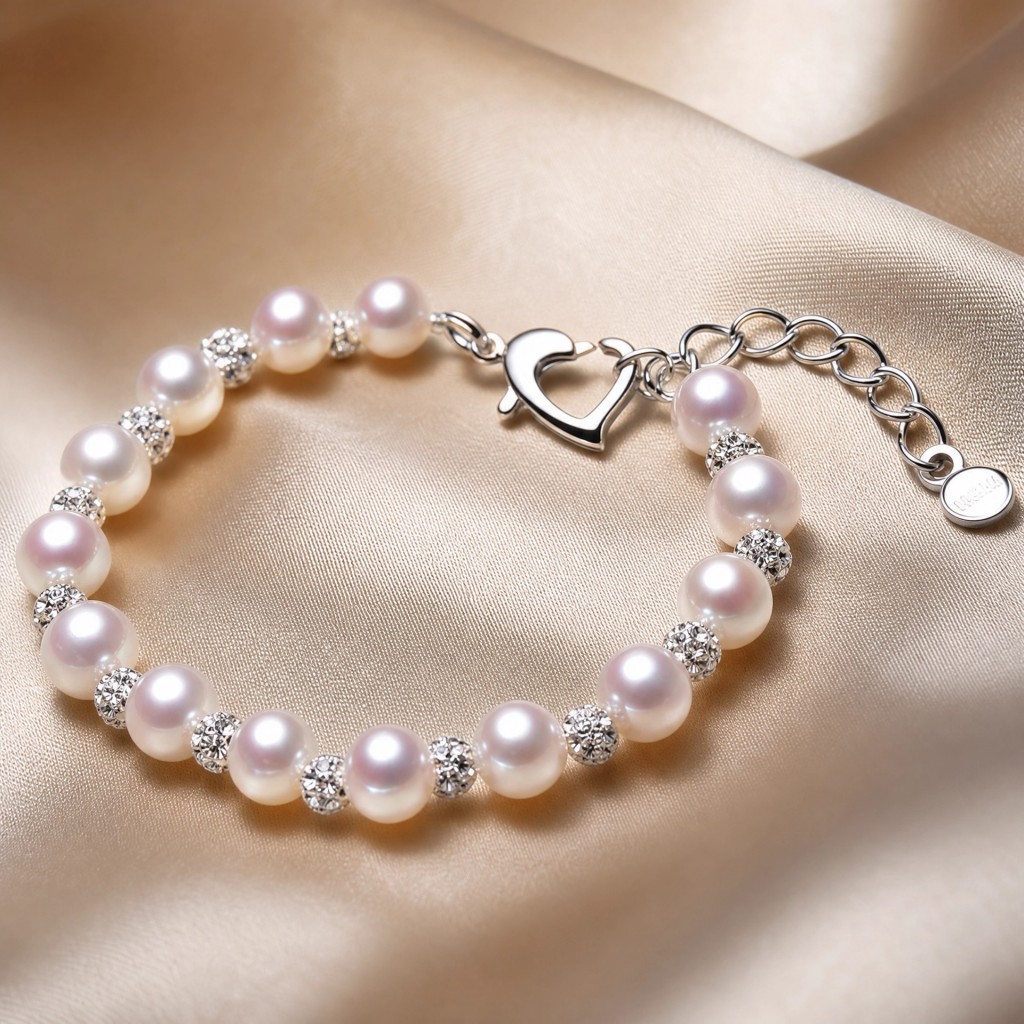
Wear Pearls Last. Remove Them First.
Put pearls on after perfume, cosmetics, sunscreen, and hair products. Remove them before swimming, showering, exercising, cleaning, or doing work that may expose them to impact or abrasion.
After wearing, gently wipe pearls with a soft cloth and store them separately from harder gemstones. With simple care, freshwater pearl jewelry can remain part of your wardrobe for years.