
Our freshwater pearl farm is located on Lake Taihu in Suzhou, Jiangsu Province, China. This beautiful region is often called the “Land of Fish and Rice” because of its rich natural resources and long farming traditions. It’s also home to a community of people who share a deep passion for freshwater pearls and put a lot of care and hard work into growing these beautiful gems.
For us, where pearls come from, how good their quality is, and how they are produced all matter. That’s why we’ve put together this guide to help you tell real freshwater pearls from fake ones.
But before we get into the details, let’s clear up a few basic terms and explain what we mean by a “real pearl.”
Natural Freshwater Pearls and Cultured Freshwater Pearls Are Both Real
When people ask whether freshwater pearls are real, they often want to know if the pearls were found in the wild or made with human help.
Natural pearls form without human involvement and are extremely rare. It’s estimated that only about one in every 10,000 shells produces a natural pearl. Because they are so hard to find, most natural pearls you come across today are antiques or museum pieces.
Cultured pearls, on the other hand, are formed through a process guided by people. A small bead or piece of tissue is carefully placed inside a pearl-producing mollusk to encourage pearl growth. Today, the vast majority of pearls sold in the jewelry market are cultured pearls.
The important thing to remember is that both natural and cultured pearls are real pearls. The difference is how they form, not whether they are genuine.
3 Common Types of Fake Freshwater Pearls
The three most common types of imitation pearls you’ll find on the market are plastic pearls, shell pearls, and coated shell pearls.
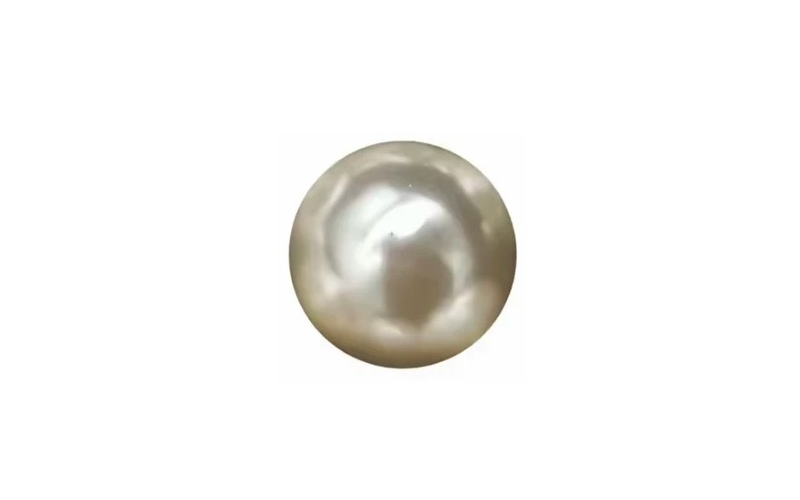
Plastic Pearls
Difficulty to Identify: Easy
Available in many sizes, colors, and shapes. They have a plastic feel and are very lightweight, making them easy to spot.
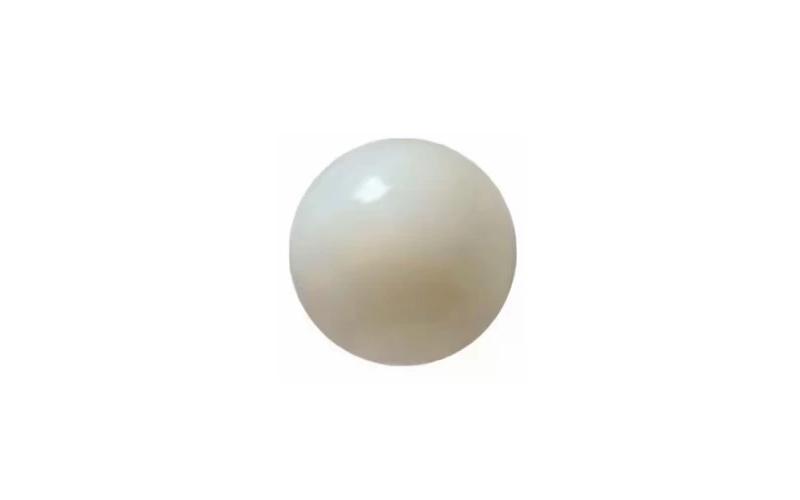
Shell Beads
Difficulty to Identify: Moderate
Made by cutting and polishing large shells into round beads. They can have a weight and feel similar to real pearls, but lack the natural luster and color of genuine pearls. The bead nucleus used in some cultured pearls is also made from shell material.
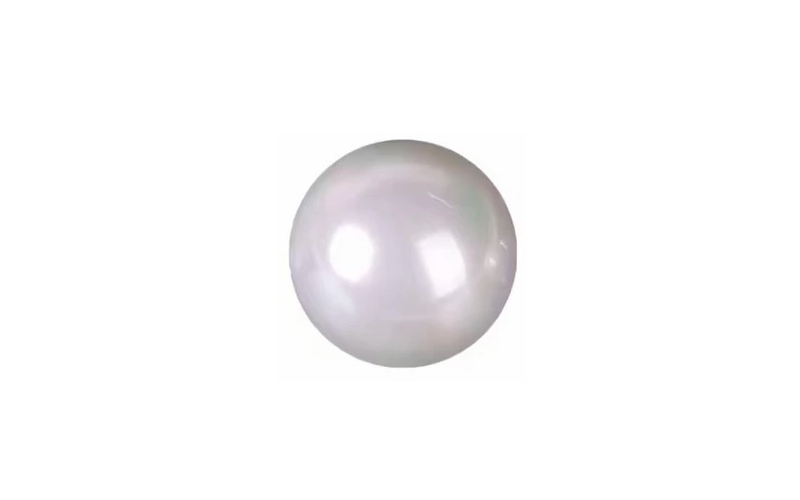
Shell Pearls
Difficulty to Identify: Difficult
Made from large shell beads or compressed shell powder and coated with a layer of paint or pearl-like finish. They come in many sizes, shapes, and colors, and can closely resemble real pearls in both feel and appearance.
These imitations often share a few telltale signs: they look perfectly round, have nearly identical colors, and feel surprisingly lightweight.
Although they are made from different materials, these imitation pearls often share three common features:
Perfectly Round Shapes
Many imitation pearls are mass-produced using molds, which gives them highly uniform, perfectly round shapes. Their drill holes may also be unusually large or extend all the way through the beads.
Uniform Colors and Heavy Coatings
Imitation pearls often have very consistent colors across an entire strand. Some have a thick, glossy finish created by spraying or painting color onto the surface. This can give them an overly uniform or artificial appearance.
Smooth Surfaces and Lightweight Feel
Many fake pearls have smooth, polished surfaces with little visible texture. Some may also feel unusually lightweight, especially those made from plastic. Their surfaces can look overly perfect and lack the natural details often found in pearl-like materials.
7 Easy Ways to Tell Real Freshwater Pearls from Fake Ones
You don’t need expensive equipment to do a basic pearl check at home. Here are seven practical ways to spot the difference.
Check the Drill Holes
Look closely at the holes drilled into the pearls. Real freshwater pearls usually have relatively smooth, even drill holes. If you look inside, you may be able to see the layers of nacre.
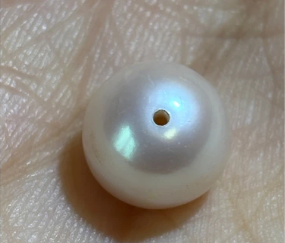
Smooth, even edges
The drill hole has clean, smooth edges, and layers of nacre may be visible inside.
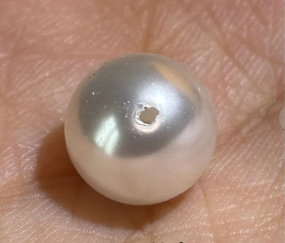
Rough, uneven edges
The drill hole may have rough edges, with a visible plastic coating around the opening.
Feel the Pearls in Your Hand
Pick up a pearl and feel its weight and temperature.
Real pearls usually feel heavier than plastic imitations. When you first place one against your skin, it should feel noticeably cool, especially in warm weather. When you gently rub two real pearls together or run your fingers over their surfaces, they may feel slightly gritty rather than completely smooth.
Fake pearls are often lighter and can feel overly slick or slippery.
Look at the Surface Texture
Use a magnifying glass or your phone’s camera zoom to get a closer look at the pearl’s surface.
Real pearls have natural growth patterns that can look a little like tiny sand dunes. Every pearl is different, and small surface marks or imperfections are completely normal. After all, natural beauty rarely comes with a perfectly flawless finish.
Fake pearls, on the other hand, often have an even, artificial-looking coating. Under magnification, you may spot tiny bubbles in the coating or an orange-peel-like texture. A whole strand may also look almost identical, with every pearl having the same shape, color, and surface.
Listen to the Sound
Gently tap two pearls together.
Real pearls usually make a soft, muted sound. Fake pearls are more likely to produce a hollow, hard clicking sound.
Shine a Bright Light on the Pearls
Hold a pearl under a strong light and look closely at its surface and inside.
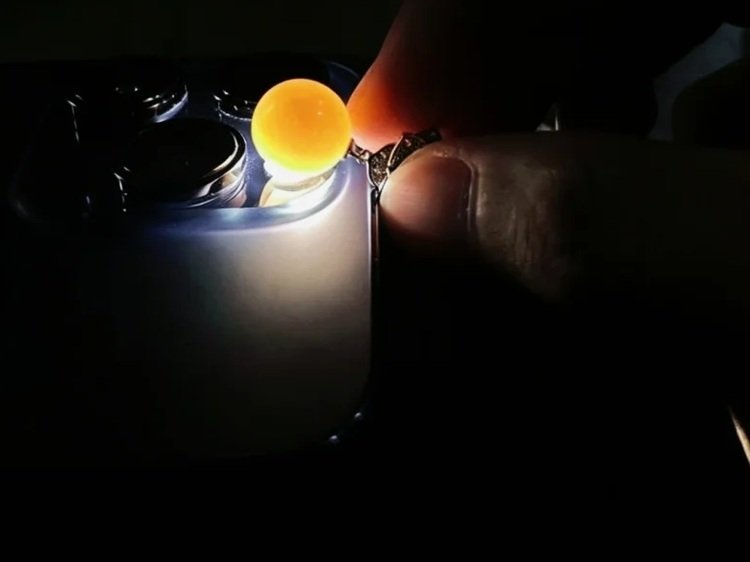
A Warm, Natural Glow
When held up to a light, a real freshwater pearl may show soft, layered colors and a gentle glow. Its inner structure can appear slightly cloudy or uneven, rather than perfectly uniform.
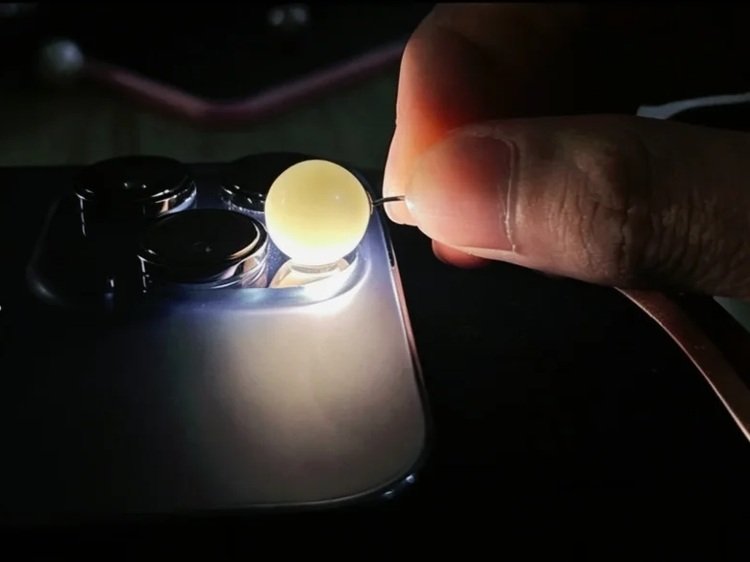
A Flat, Artificial Glow
A fake pearl may look overly bright or uniform under strong light. Its surface can appear flat and plastic-like, without the depth and subtle color shifts of real nacre.
Real freshwater pearls have a natural depth and soft luster. Under strong light, you may notice subtle overtones and a slightly cloudy inner structure. In some cultured pearls, the bead nucleus may also be visible.
Fake pearls often lack this depth. Under strong light, they may appear flat, overly white, or plastic-like, with little variation in color or luster.
The knife-scraping test
Gently scrape the surface of a real pearl with a knife. The material that comes off should look like fine, powdery nacre rather than a large piece of peeling coating. With coated imitation pearls, the outer layer may come off easily, exposing a different color underneath.
The burn test
When exposed to a flame briefly, a real pearl may develop a little black residue that can be wiped away easily. It should not produce a strong, unpleasant smell. Fake pearls may turn black, give off smoke, lose their surface coating, or produce a plastic-like smell.
A word of caution: Scraping and burning can cause minor damage to pearls. If you’re checking valuable jewelry, the safest option is to have it examined by a professional.
A Final Tip: Don’t Look for Perfect Pearls
After working with pearls for so many years, here’s one piece of advice we’d like to share: don’t focus too much on finding pearls that are perfectly round and completely flawless.
Real pearls are natural treasures. Small differences in shape, color, and surface texture are part of what makes each one unique. A few natural marks don’t make a pearl less beautiful or less real.
Keep these tips in mind when shopping, and you’ll be much better prepared to spot imitation pearls and avoid misleading claims. We hope you find a beautiful piece of genuine pearl jewelry that you can enjoy for years to come!